
Comprehensive Commercial Security Services Explained
- Australia Security Forces
- Feb 2
- 4 min read
In today’s fast-paced and ever-changing environment, protecting your business, property, or event is more critical than ever. Security threats can come from many directions, and without the right measures in place, the consequences can be severe. That is why understanding comprehensive commercial security services is essential. These services provide a multi-layered approach to safeguarding assets, people, and information. In this post, I will walk you through the key components of commercial security, explain what it entails, and offer practical advice on how to choose the right security solutions for your needs.
Understanding Comprehensive Commercial Security
Comprehensive commercial security is not just about installing cameras or hiring guards. It is a holistic strategy that combines technology, personnel, and procedures to create a secure environment. This approach addresses all potential vulnerabilities and ensures that every aspect of your business or property is protected.
A comprehensive security plan typically includes:
Physical security measures such as access control systems, barriers, and surveillance cameras.
Security personnel who are trained to respond to incidents and maintain order.
Cybersecurity protocols to protect sensitive data and digital assets.
Emergency response planning to prepare for and mitigate the impact of incidents.
Regular risk assessments to identify new threats and update security measures accordingly.
By integrating these elements, businesses can reduce the risk of theft, vandalism, unauthorized access, and other security breaches. This layered defense is what sets comprehensive commercial security apart from basic or piecemeal solutions.
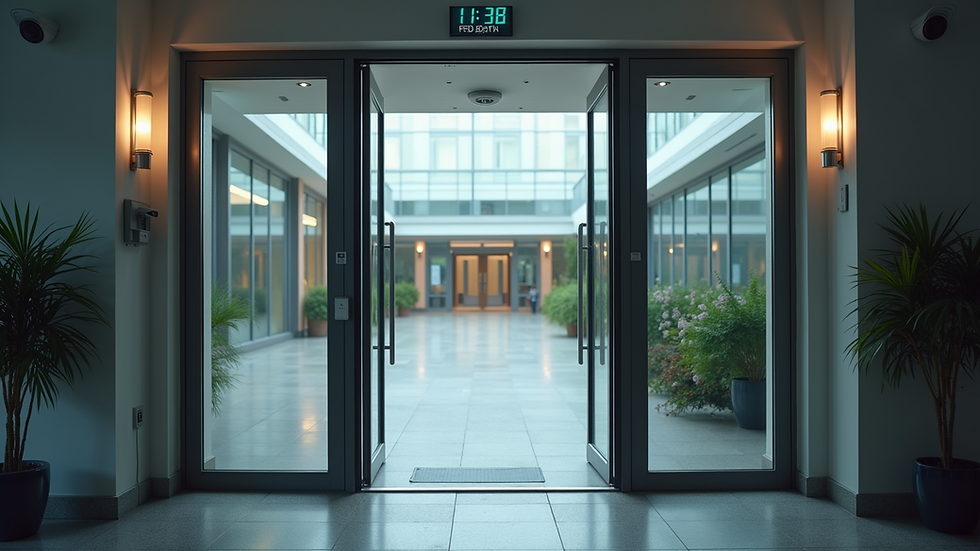
What is Commercial Security?
Commercial security refers to the protection of business premises, assets, employees, and customers from threats such as theft, vandalism, and violence. It encompasses a wide range of services and technologies designed to prevent, detect, and respond to security incidents.
At its core, commercial security involves:
Monitoring and surveillance: Using CCTV cameras and alarm systems to keep an eye on premises 24/7.
Access control: Restricting entry to authorized personnel through key cards, biometric scanners, or security guards.
Security personnel: Employing trained guards to patrol, monitor, and respond to incidents.
Incident management: Having protocols in place to handle emergencies, including communication with law enforcement and emergency services.
Risk management: Continuously assessing vulnerabilities and adapting security measures to evolving threats.
Commercial security is essential for businesses of all sizes, from small retail stores to large industrial complexes. It helps protect not only physical assets but also the reputation and operational continuity of the business.
Key Components of Commercial Security Services
To fully grasp what comprehensive commercial security entails, it is important to understand the main components that make up these services. Each component plays a vital role in creating a secure environment.
1. Surveillance Systems
Surveillance is the backbone of any security strategy. Modern surveillance systems include high-definition cameras, night vision capabilities, and remote monitoring options. These systems allow security personnel to observe activities in real-time and review footage when necessary.
Benefits:
Deterrence of criminal activity.
Evidence collection for investigations.
Remote monitoring for quick response.
2. Access Control
Access control systems regulate who can enter specific areas within a property. These systems use technologies such as key cards, PIN codes, biometric scanners, and turnstiles.
Benefits:
Prevent unauthorized access.
Track employee and visitor movements.
Enhance safety in sensitive areas.
3. Security Personnel
Trained security guards provide a visible presence that deters crime and offers immediate response to incidents. Guards can perform patrols, monitor surveillance feeds, and manage access points.
Benefits:
Rapid incident response.
Customer service and assistance.
Enforcement of security policies.
4. Alarm Systems
Alarm systems detect unauthorized entry, fire, or other emergencies and alert security personnel or emergency services. These systems can be integrated with surveillance and access control for a coordinated response.
Benefits:
Early warning of threats.
Automated alerts to reduce response time.
Integration with other security measures.
5. Cybersecurity Measures
In today’s digital age, protecting data and IT infrastructure is as important as physical security. Cybersecurity services include firewalls, encryption, intrusion detection, and employee training.
Benefits:
Protection against data breaches.
Safeguarding intellectual property.
Compliance with legal and industry standards.

How to Choose the Right Commercial Security Services
Selecting the right security services requires careful consideration of your specific needs, risks, and budget. Here are some practical steps to guide your decision:
Assess Your Risks
Start by conducting a thorough risk assessment. Identify potential threats such as theft, vandalism, workplace violence, or cyberattacks. Consider the location, type of business, and hours of operation.
Define Your Security Goals
Determine what you want to achieve with your security plan. Is it to prevent break-ins, protect sensitive information, or ensure employee safety? Clear goals will help you choose appropriate services.
Evaluate Service Providers
Look for providers with a strong reputation, relevant experience, and certifications. Ask about their response times, technology offerings, and training programs for personnel.
Consider Integration
Choose services that can integrate seamlessly with your existing systems. Integration improves efficiency and provides a unified security approach.
Budget Wisely
While cost is important, do not compromise on quality. Investing in comprehensive security can save money in the long run by preventing losses and liabilities.
Request a Customized Plan
A one-size-fits-all approach rarely works. Request a tailored security plan that addresses your unique needs and challenges.
The Importance of Ongoing Security Management
Security is not a set-and-forget solution. Threats evolve, and so must your security measures. Ongoing management includes:
Regular audits and inspections to identify weaknesses.
Updating technology to keep pace with advancements.
Training staff to recognize and respond to security issues.
Reviewing and revising policies to reflect changes in the business environment.
By maintaining vigilance and adaptability, you ensure that your security remains effective over time.
Why Choose Australia Security Forces for Your Security Needs
When it comes to protecting your business or property in New South Wales, partnering with a trusted provider is crucial. Australia Security Forces offers a full range of commercial security services designed to meet the highest standards.
Their approach combines advanced technology, skilled personnel, and customized strategies to deliver reliable, round-the-clock protection. With a strong presence across NSW, they understand the local security landscape and are committed to helping businesses stay safe and secure.
Choosing a provider like Australia Security Forces means investing in peace of mind and a secure future for your enterprise.
By understanding the full scope of comprehensive commercial security and implementing the right measures, you can protect your assets, employees, and customers effectively. Security is an ongoing commitment, but with the right partner and strategy, it becomes a manageable and essential part of your business operations.


Comments